

If your eye doctor has said LASIK isn’t the best option for your eyes, you might wonder if you have any other choices for seeing without glasses. The good news is you do. PRK, or photorefractive keratectomy, is another option for many of the same patients as LASIK. People often ask if PRK is safer than LASIK. Both are types of laser vision correction, both use the same excimer laser to reshape the cornea, and both have strong safety records. The main difference is in how each procedure works, and that difference can matter more for some people than others.
Keep reading to learn how PRK and LASIK actually differ, why one might carry less risk for your eyes, and what that means for your recovery.
What Makes PRK and LASIK Different?
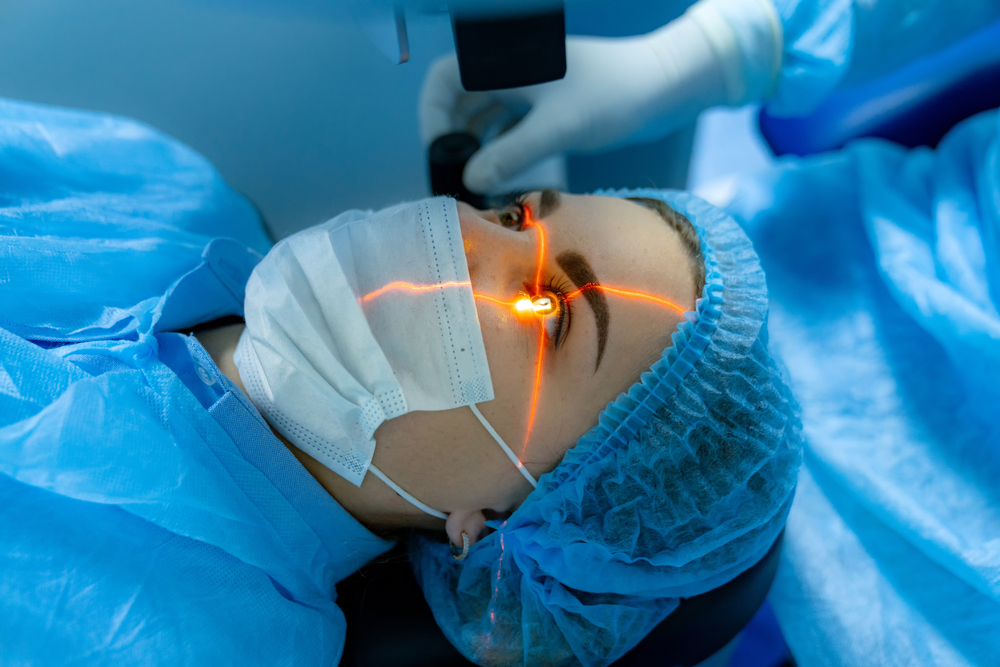
Both PRK and LASIK use an excimer laser to reshape the cornea and correct nearsightedness, farsightedness, or astigmatism. The main difference is what happens before that laser is used.
In LASIK, a thin flap is made in the outer layer of the cornea with a bladeless femtosecond laser. The flap is lifted so the excimer laser can reshape the tissue underneath. Afterward, the flap is put back in place and heals over the next few months.
With PRK, there’s no flap. Instead, the outermost layer of cells, called the epithelium, is gently removed to expose the corneal surface. The excimer laser then reshapes the cornea directly, and the epithelium is left to regenerate on its own over the following days, protected by a bandage contact lens in the meantime.
Why PRK Can Be the Lower-Risk Option for Certain Patients
LASIK needs enough corneal thickness to safely create a flap and leave enough tissue to support the eye long-term. People with thinner corneas, certain irregularities, or higher prescriptions may not have enough margin. For them, avoiding the corneal flap with PRK lowers the risk of flap-related problems, like the flap moving after an eye injury later on.
That’s one reason PRK routinely comes up once a patient doesn’t qualify for LASIK, particularly for those in contact sports or military service, where a flap carries added long-term risk from a direct hit to the eye.
None of this means LASIK is riskier across the board. For patients with adequate corneal thickness and no irregularities, LASIK has an excellent safety profile too, and the flap actually shortens the recovery timeline considerably. The point isn’t that one procedure is inherently safer than the other. It’s that each one is safer for certain candidates, and a thorough evaluation is what determines which category you fall into.
Are PRK and LASIK Outcomes Similar?
Long-term results for PRK and LASIK are similar. Most patients in both groups end up with 20/20 vision or better, and the outcome is usually the same no matter which procedure you choose. The main difference is how you get there.
Immediate Recovery

People who have LASIK usually see more clearly within a day, since the flap is put back right away and heals quickly. Most return to normal activities, including work, in two to three days.
Recovery after PRK is slower at first because the epithelium needs to grow back. Vision is blurry for the first few days, and most people need three to five days before they can drive comfortably. It can take several weeks for vision to become fully clear. The bandage contact lens is usually taken out five to seven days after surgery, once the epithelium has healed.
Discomfort
People who have LASIK usually feel mild irritation or dryness for a short time after surgery. PRK patients often have more discomfort for the first three to four days while the cornea heals, but prescription eye drops and the bandage lens help most people manage this.
Long-Term Risk of Complications
Since PRK doesn’t involve making a flap, it avoids the risk of flap-related problems that can happen with LASIK, even years later. On the other hand, LASIK offers a quicker and more comfortable recovery for those who qualify. There’s no one-size-fits-all answer. The best choice depends on your cornea, your lifestyle, and what matters most to you.
Who Tends to Be a Better Candidate for PRK?
A candidacy evaluation at South Texas Eye Institute includes corneal thickness measurements, a detailed map of the cornea’s surface, and a review of your prescription and eye health history. Good PRK candidates often have:
- Thinner corneas that don’t leave enough tissue to safely support a LASIK flap
- Mild corneal surface irregularities that make flap creation less predictable
- A higher risk of eye trauma due to work, sports, or lifestyle
Surgeons weigh those measurements against a patient’s lifestyle and risk tolerance, since choosing between PRK and LASIK usually comes down to those objective findings rather than which name sounds more familiar.
Not sure which category you’re likely to fall into before that exam?
What to Expect If You Choose PRK
If your surgeon decides PRK is best for you, the procedure takes about ten to fifteen minutes per eye and uses only numbing eye drops; no injections or general anesthesia. The laser’s precision, guided by a detailed map of your cornea, helps PRK achieve results similar to LASIK, even though the approach is different.
Patients return for a follow-up visit within the first week to confirm the epithelium has healed properly and the bandage lens can come off. Vision keeps improving over the next few weeks, and understanding what to expect during PRK recovery often helps patients feel more comfortable as their eyes heal.
Find Out Which Procedure Fits Your Eyes
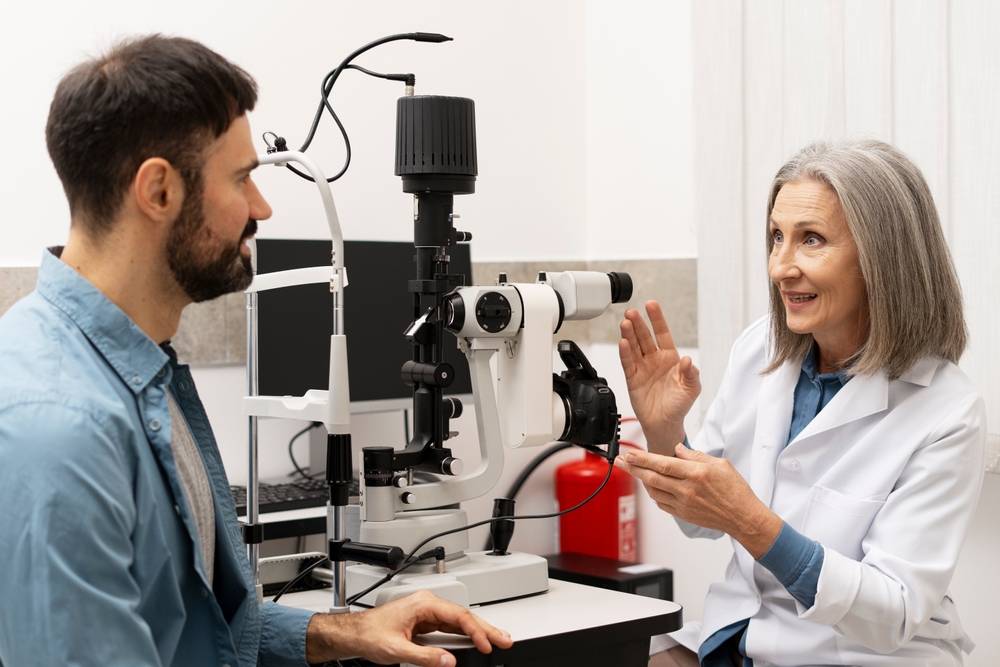
LASIK and PRK are both safe procedures with proven results. However, the right choice for you depends on your individual lifestyle, eye health, and preferences.
As a leading provider of laser vision correction in San Antonio for more than 25 years, South Texas Eye Institute’s vision correction evaluations are built around finding the right match rather than defaulting to whichever procedure is more familiar to patients.
Wondering whether your eyes are better suited to PRK or LASIK? Schedule an appointment at South Texas Eye Institute in San Antonio, TX, today.