
If your eyes start itching, burning, or watering every October, it’s easy to blame fall allergies and reach for an antihistamine. Ragweed pollen peaks this time of year, and the first cold fronts bring gusty wind and noticeably drier air. Those same seasonal changes also set the stage for dry eye syndrome, a common condition that can feel a lot like allergies and often gets treated as one for far too long.
Keep reading to learn why dry eye tends to flare in the fall, how to tell it apart from allergies, and what treatment looks like at South Texas Eye Institute.
What Is Dry Eye Syndrome?

Every time you blink, you spread a thin tear film across the front of your eye. That film has three layers. A mucin layer helps tears stick to the eye’s surface, a watery layer keeps it moist and nourished, and an outer oil layer slows evaporation. A problem with any one of those layers can cause dry eye.
Some people don’t produce enough of the watery layer. Others make plenty of tears, but clogged oil glands along the eyelids let those tears evaporate within seconds. Either way, the cornea (the clear front window of your eye) ends up exposed and irritated.
Dry eye becomes more common with age, especially after 50, and it affects women more often than men, partly because of hormonal changes during menopause. Contact lens wear, certain medications, and conditions like diabetes can also raise your risk.
Why Do Dry Eye Symptoms Get Worse in October?
Fall weather in South Texas swings quickly, and a single front can drop the humidity and bring steady wind. Dry, moving air pulls moisture off the surface of your eyes faster than your tears can replace it.
Indoor air matters too. Air conditioning often runs well into October in San Antonio, and once nights cool off, heaters come on. Both dry out the air around you.
Allergy season adds its own problem. Oral antihistamines, the pills many people take for sneezing and a runny nose, reduce tear production as a side effect. Taking one for itchy eyes can worsen dry eye.
Fall schedules add to the strain, with more hours on computers and phones. You blink much less often when you focus on a screen, so your tear film breaks up faster.
Is It Dry Eye or Allergies?

Dry eye and allergies overlap so much that many patients have both at once. Still, a few patterns can help distinguish between the two.
Allergies usually make intense itching the main symptom. Your eyelids may look puffy, and you’ll often sneeze, have congestion, or have an itchy nose at the same time. Symptoms tend to rise and fall with pollen counts.
Dry eye is more likely to feel gritty, sandy, or burning, like something is stuck in your eye. It can itch as well, but the itch usually comes with other signs:
- Blurry vision that clears when you blink
- Eyes that feel worse at the end of the day or after reading, driving, or screen time
- Contact lenses that become uncomfortable before you’re ready to take them out
- Watery eyes, even though the underlying problem is dryness
That last one surprises people. When your eyes get dry enough, your brain triggers a flood of reflex tears. Those tears are mostly water and lack the oil that holds a healthy tear film in place, so they spill down your cheeks instead of protecting your eye.
If allergy medicine hasn’t helped after a couple of weeks, or your symptoms hang on after pollen counts drop, dry eye is a likely culprit.
How Is Dry Eye Diagnosed?
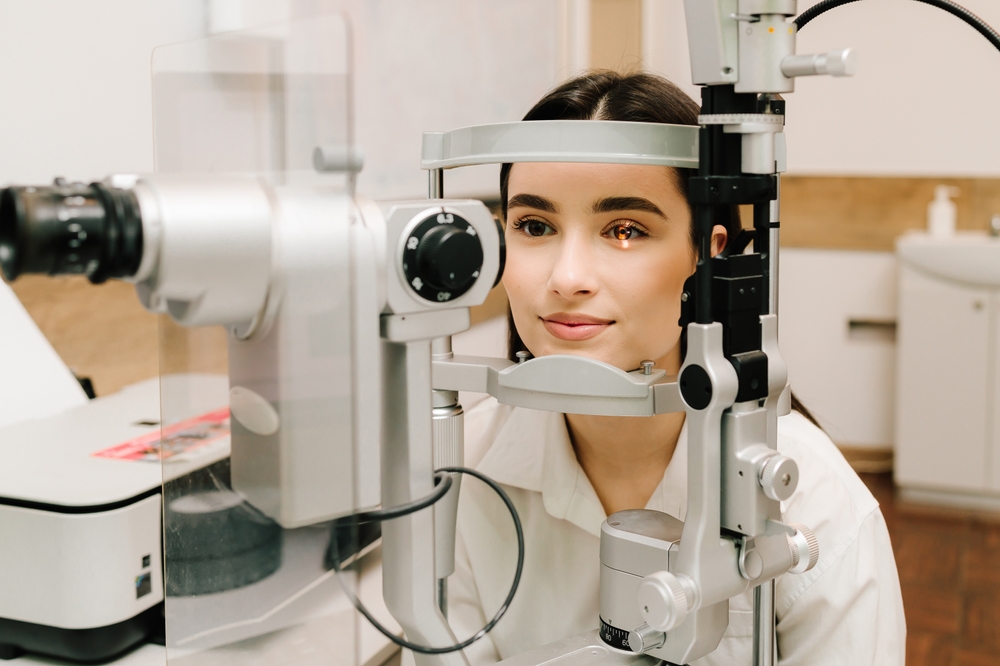
A dry eye evaluation can be part of a thorough eye exam. Your eye doctor will ask about your symptoms and medications, then examine the surface of your eye and your eyelids with a slit-lamp microscope.
Special dyes can reveal dry spots on the cornea, and simple tests measure how quickly your tear film breaks apart after a blink. Your eye doctor will also check the oil glands along your eyelid margins, since blocked glands are a leading cause of dry eye.
At South Texas Eye Institute, we give every patient with persistent irritation a full look at the tear film and eyelids before recommending any treatment.
What Are the Treatment Options for Dry Eye?
Treatment depends on the cause and severity of your dry eye. Most patients start with simple steps and add targeted care if needed.
At-Home Care
For mild dry eye, a few changes can make a noticeable difference. Warm compresses held over closed eyelids for five to ten minutes help loosen thickened oil in the glands.
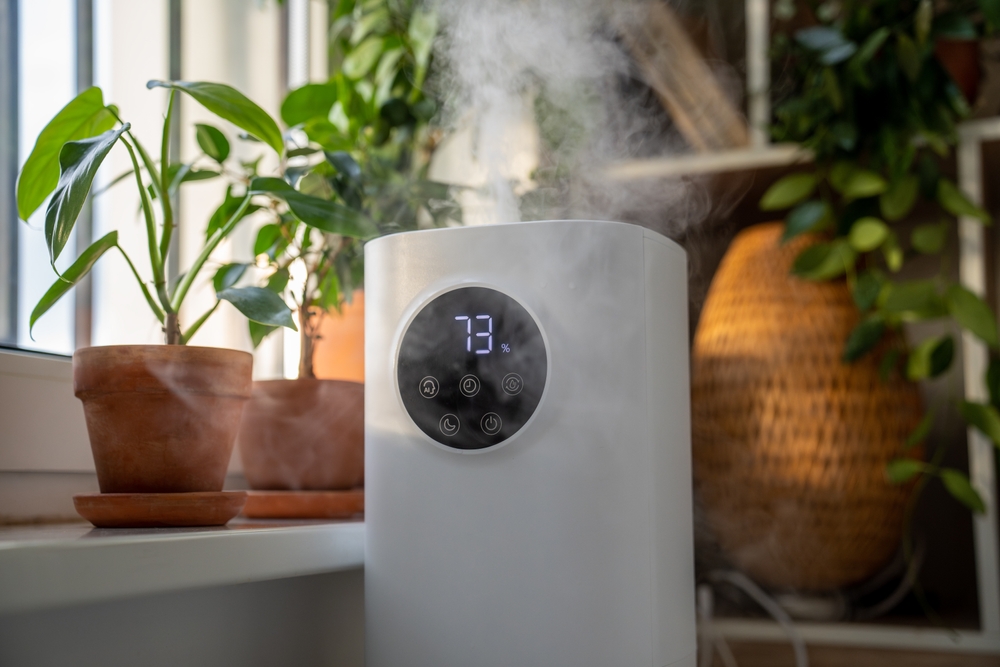
You can use preservative-free artificial tears several times a day without irritating the eye. Running a humidifier and following the 20-20-20 rule during screen time (every 20 minutes, look at something 20 feet away for 20 seconds) help your tear film last longer.
Prescription Eye Drops
When over-the-counter drops aren’t enough, prescription drops can calm the inflammation on the eye’s surface that keeps dry eye going. These medications work gradually, and many patients notice improvement after several weeks to a few months of consistent use.
Punctal Plugs
Tears drain out through tiny openings in the inner corners of your eyelids. Punctal plugs are small devices placed in those openings to slow drainage, so your natural tears stay on the eye longer. Placing them takes a few minutes in the office and causes little to no discomfort.
Waiting it out rarely works as well as people hope. Untreated dry eye can cause ongoing inflammation and, in some cases, corneal damage, so persistent irritation is worth treating instead of hoping cooler weather will fix it.
Get Relief Before Winter Arrives
Itchy, burning, watery eyes don’t have to be something you put up with every October. A proper evaluation can tell you whether allergies, dry eye, or both are behind your symptoms, and treating the actual cause gives you a better chance at lasting comfort. With more than 25 years of experience caring for patients across San Antonio, the team at South Texas Eye Institute can help you figure out what your eyes need.
Tired of relying on eye drops that never quite fix the problem? Schedule an appointment at South Texas Eye Institute in San Antonio, TX, today!