If you’ve had a bad eye infection, a scratch from a tree branch, or a chemical splash, you might notice that your vision never fully cleared afterward. Lights may look hazy or starburst at night, and new glasses may not sharpen things the way they used to. A corneal scar could be the reason.
The cornea is the clear front window of your eye, and it needs to stay transparent and smooth to focus light properly. When it heals from an injury or infection, it can lay down cloudy scar tissue in place of clear tissue. Ophthalmologists have several ways to treat corneal scarring, and the right one depends on where the scar sits, how deep it goes, and how much it affects your sight.
Keep reading to learn how corneal scars form, how your eye doctor evaluates them, and what treatment can look like.
What Causes Corneal Scarring?

The cornea is made of several layers. The thin outer layer, called the epithelium, heals quickly and usually without a trace. Below it sits the stroma, a thick layer of carefully arranged collagen fibers that makes up about 90 percent of the cornea’s thickness. Damage that reaches the stroma is what tends to leave a lasting scar.
Common causes include corneal infections (often linked to sleeping in or poorly cleaning contact lenses), deep scratches or penetrating injuries, chemical burns, and herpes simplex infections that flare up repeatedly. Advanced keratoconus can also scar the cornea as it thins and stretches. In some cases, scarring follows earlier eye surgery.
How Is Corneal Scarring Diagnosed?
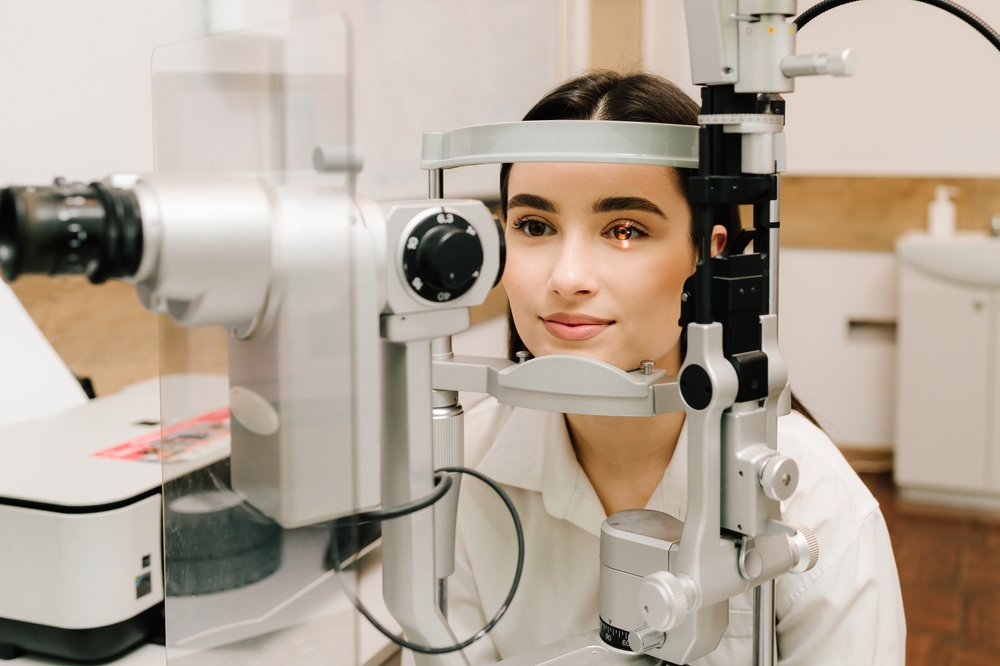
Your ophthalmologist will examine your cornea under a slit lamp, a microscope that shines a narrow beam of light through the eye’s front structures. This lets them judge the scar’s size, location, and density. Many corneal scars are first noticed during a routine eye exam, sometimes before the patient realizes how much the scar affects their vision.
They will also use corneal topography maps to assess surface curvature, which shows whether the scar has made the cornea irregular, and optical coherence tomography (OCT) and pachymetry to measure how deep the scar extends and how thick the cornea remains.
Treating the Underlying Problem First
If the scar is still forming, the first priority is stopping the process behind it. An active infection is treated with antibiotic, antifungal, or antiviral medication, depending on the cause.
Once the infection is under control, your eye doctor may prescribe steroid drops to calm inflammation and limit how much scar tissue develops. These drops need careful monitoring, since steroids can raise eye pressure or allow certain infections to worsen.
A healthy tear film also supports healing. Patients with ongoing dry eye may need lubricating drops or other treatment so the surface can recover smoothly.
Treatment Options for Corneal Scars
Once the cornea has stabilized, your ophthalmologist will match treatment to the scar’s depth and its effect on your vision.
Glasses and Specialty Contact Lenses
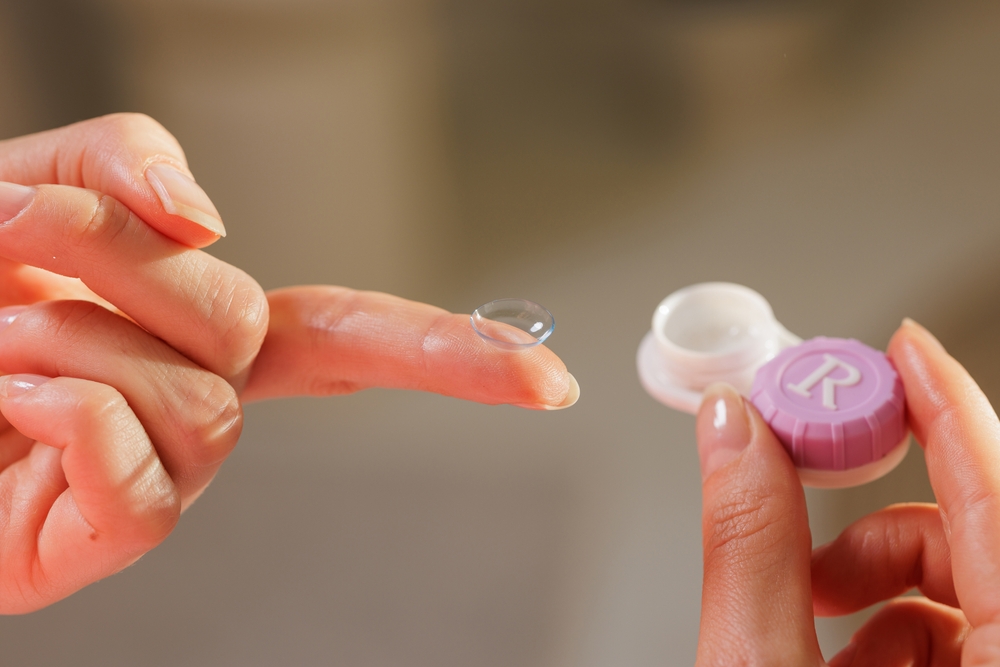
Mild scars that cause only a little blur can sometimes be managed with an updated glasses prescription. When a scar makes the corneal surface uneven, rigid gas permeable or scleral contact lenses often work better.
These lenses hold their shape, so a thin layer of tears fills the irregular areas beneath them and light focuses more evenly. Many patients are surprised by how much sharper their vision becomes with a well-fitted lens.
Phototherapeutic Keratectomy (PTK)
For scars limited to the front layers of the cornea, an excimer laser can remove the cloudy tissue. This procedure, called phototherapeutic keratectomy, uses the same type of laser used in PRK surgery, and recovery follows a similar path. A bandage contact lens protects the eye for several days while the surface regrows, and vision continues to improve over the following weeks.
PTK works best when the scar is shallow. Because the laser removes tissue, it can also shift your prescription slightly, so you may need new glasses afterward.
Corneal Transplant
When a scar is deep or dense enough that lenses and laser treatment can’t restore useful vision, a corneal transplant may be the best option. In a penetrating keratoplasty (PKP), the surgeon replaces the full thickness of the central cornea with clear donor tissue. For scars that spare the innermost layer, a partial-thickness transplant that replaces only the front layers may be considered.
Corneal transplants are among the most common transplant procedures in the United States. The cornea has no blood vessels, so donor tissue doesn’t need to be matched the way organs do. Still, not everyone is a good fit. Candidacy for a corneal transplant depends on the scar’s depth, the health of the rest of your eye, and your ability to keep up with months of follow-up visits.
Can Corneal Scarring Be Prevented?
Some scars can’t be avoided, but many start with problems that respond well to early care. Follow your contact lens hygiene instructions closely, never sleep in lenses unless they’re approved for it, and wear protective eyewear for yard work, power tools, and sports. Any eye that turns red and painful while you wear contacts deserves same-day attention.
Early treatment of keratoconus also matters. Corneal crosslinking strengthens the cornea and slows progression before the condition reaches the advanced stage where scarring becomes more likely.
Get a Clear Answer About Your Cornea
Corneal scarring calls for a surgeon with deep experience in the cornea itself. Dr. Lisa Martén is board-certified by the American Board of Ophthalmology and completed fellowship training in cornea and refractive surgery. She performs corneal transplants and other cornea procedures at South Texas Eye Institute, a leading San Antonio practice that has served the region for more than 25 years.
STEI evaluates every scar with detailed imaging before recommending treatment, and that careful approach sets the standard for corneal care in South Texas. Whether your best path is a specialty lens, laser treatment, or a transplant, you’ll understand why before any decision is made.
Has a past injury or infection left your vision cloudy? Schedule an appointment at South Texas Eye Institute in San Antonio, TX.