

When most people think about an eye exam, they picture reading letters off a chart. While vision testing is part of the process, a comprehensive eye exam involves much more.
Eye doctors perform detailed evaluations of your eye health that can detect serious conditions long before you notice any symptoms. Many patients are surprised to learn that their eye doctor can spot signs of diabetes, high blood pressure, and other systemic health issues during a routine visit.
Keep reading to learn more about what happens during an eye exam!
What is a Comprehensive Eye Exam?
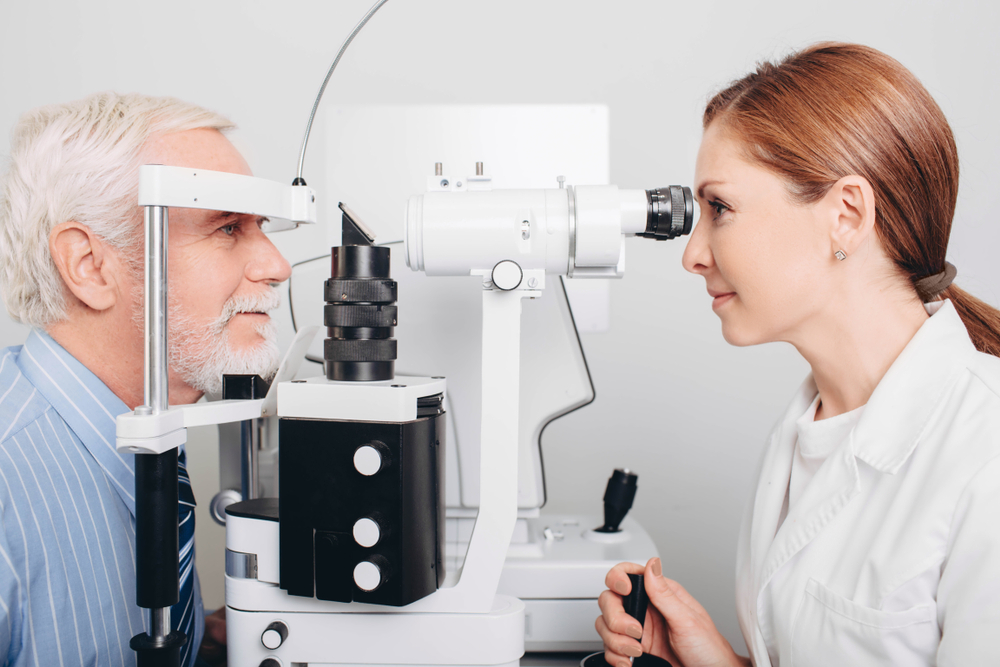
A comprehensive eye exam performed by an eye doctor evaluates both how well you see and the overall health of your eyes and surrounding structures. Eye doctors use specialized equipment to examine internal eye structures, measure eye pressure, assess how your eyes work together, and detect diseases that often have no early warning signs. At South Texas Eye Institute, comprehensive eye exams follow established protocols that look at every aspect of your eye health and visual function.
Here are eight things you can expect:
1. Discussing Your Eye Health History
Your eye exam begins before any testing starts. Your eye doctor will ask about any vision problems you’re currently experiencing, such as blurry vision, floaters, dry eyes, or difficulty seeing at night.
You’ll also discuss medications you’re taking, as some drugs can affect your eyes and vision. Family history matters too, because conditions like glaucoma and macular degeneration can run in families.
This conversation helps your doctor understand your individual risk factors and determine which tests will be most beneficial. For example, if you have diabetes or are over 60, your doctor may recommend more frequent exams or additional testing. Bringing a list of your medications and knowing your family’s eye health history makes this part of your visit more productive.
2. Testing How Clearly You See
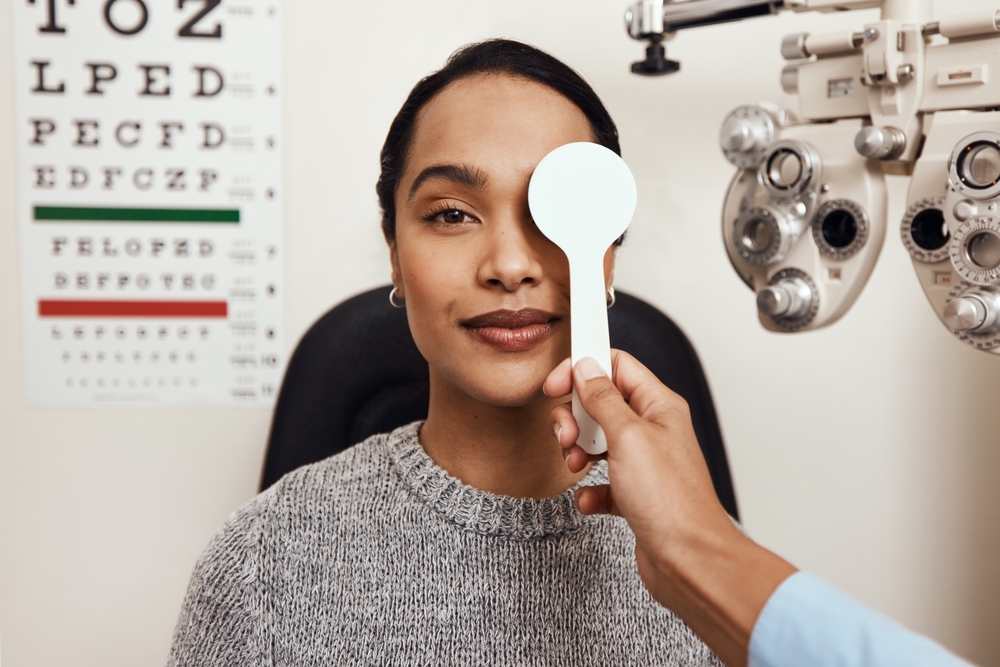
After discussing your health history, the doctor will measure your visual acuity, which is how clearly each eye sees. You’ll read letters on a chart at various distances. The results are written as a fraction, such as 20/40.
The top number represents the standard testing distance of 20 feet. The bottom number is the smallest letter size you could read. If you have 20/40 vision, you need to be at 20 feet to see what someone with normal vision sees clearly at 40 feet. Normal distance vision is 20/20.
Your eye doctor tests each eye separately and then both eyes together. You’ll also read smaller text up close to check your near vision. This testing establishes your baseline vision and helps determine if you need corrective lenses or if your current prescription needs updating.
3. Checking Your Eye Coordination and Movement
Several tests evaluate the motility aspects of your visual function. Your eye doctor will check your depth perception, which is your ability to judge distances accurately.
Your peripheral vision, or side vision, is tested to ensure you can see objects outside your direct line of sight. Your eye doctor also observes how your eye muscles move and work together.
Your eyes need to move smoothly and align properly for comfortable, clear vision. Testing how your pupils respond to light reveals essential information about the health of your optic nerve and certain neurological pathways.
4. Measuring Your Cornea’s Curvature
Keratometry and corneal topography measure the curvature of your cornea, which is the clear front surface of your eye. These measurements are particularly important if you wear contact lenses, as they determine the proper fit.
Your eye doctor focuses a circle of light on your cornea and measures how it reflects. For patients considering LASIK or other vision correction procedures, detailed corneal measurements help determine candidacy and guide surgical planning.
5. Refraction Testing
Refraction determines the lens power you need to compensate for nearsightedness, farsightedness, or astigmatism. Your eye doctor places a series of lenses in front of your eyes using an instrument called a phoropter.
As you look through different lens combinations, you’ll indicate which ones make the letters on the chart clearer. Your eye doctor refines the lens power based on your feedback until finding the prescription that gives you the sharpest vision.
6. Examining Internal Eye Structures
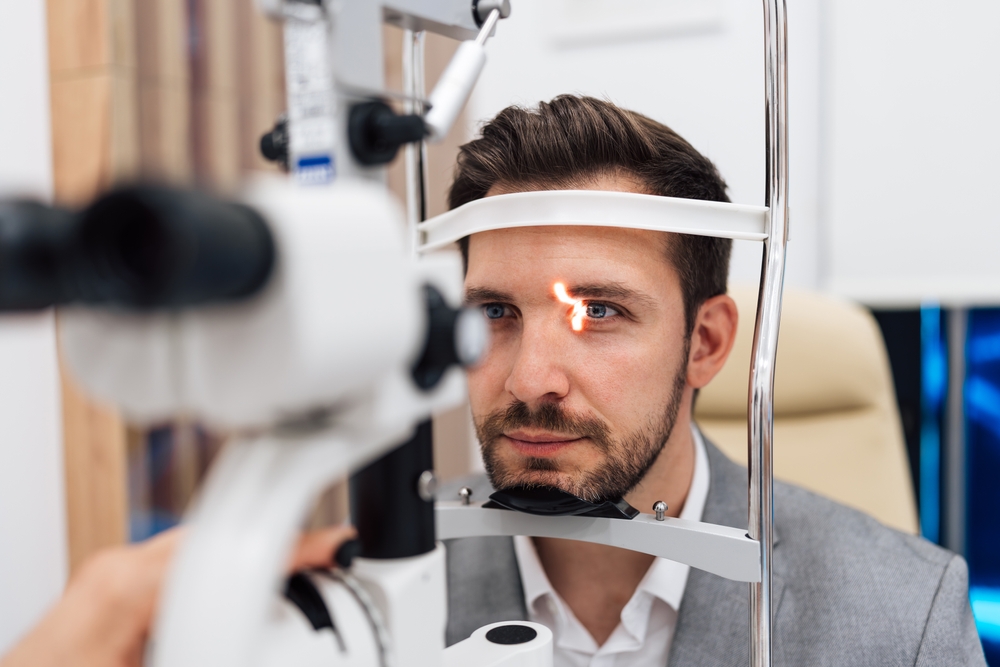
The most thorough part of your exam involves evaluating your eye health. Your eye doctor uses various instruments to examine all eye structures in detail.
A biomicroscope, or slit lamp, provides a magnified view of your eyelids, cornea, iris, lens, and vitreous. This examination can reveal conditions like cataracts, corneal damage, or signs of inflammation.
To see the back of your eye (the retina, optic nerve, and blood vessels), your eye doctor may use dilating eye drops. These drops temporarily widen your pupils, allowing a better view of internal structures.
7. Measuring Eye Pressure
Measuring the pressure inside your eye is an important part of glaucoma screening. Elevated eye pressure can damage the optic nerve and lead to vision loss.
Your eye doctor may use different methods to check your eye pressure. Some techniques involve a puff of air directed at your eye, while others use a small probe that gently touches your eye’s surface after numbing drops are applied.
8. Detecting Other Health Conditions
Your eyes offer a unique window into your overall health. Blood vessels in your retina can reveal signs of diabetes, high blood pressure, high cholesterol, and other systemic conditions. Sometimes, eye doctors detect these health problems before a primary care physician does, because the eye exam provides direct visualization of blood vessels and other tissues.
Are you due for a comprehensive eye exam? Schedule an appointment at South Texas Eye Institute in San Antonio, TX, today to protect your vision and monitor your eye health with thorough, professional care.